If you are moving out of a rented flat or house, one of the first questions you may ask is: how much does end of tenancy cleaning cost in London? The answer depends on several factors, including the size of the property, the condition of the rooms, the number of bathrooms, the level of cleaning required and whether extra services are needed.
End of tenancy cleaning is usually more detailed than regular domestic cleaning. It is designed to prepare the property for a landlord, letting agent or inventory check-out inspection. For tenants, it can help reduce the risk of cleaning-related deposit disputes. For landlords and property managers, it helps make the property fresh and ready for the next occupant.
In this guide, we explain what affects end of tenancy cleaning prices in London, what is usually included and why choosing professional cleaners can be a practical decision before moving out.
Why End of Tenancy Cleaning Costs More Than Regular Cleaning
Regular cleaning usually focuses on everyday tasks such as dusting, vacuuming, mopping, wiping surfaces and cleaning bathrooms. End of tenancy cleaning goes further because it aims to return the property to a clean and presentable condition after a tenant moves out.
A professional end of tenancy clean may include:
- detailed kitchen cleaning;
- oven, hob and extractor cleaning;
- bathroom descaling and sanitising;
- cleaning inside cupboards and drawers;
- skirting boards and doors;
- internal windows and sills;
- dusting furniture and fixtures;
- vacuuming and mopping floors;
- cleaning behind and under accessible furniture.
This type of cleaning takes more time, more attention and often stronger cleaning products or specialist equipment. That is why end of tenancy cleaning cost in London is usually higher than a standard weekly clean.
What Affects End of Tenancy Cleaning Prices in London?
There is no single price that applies to every property. A studio flat, a two-bedroom apartment and a large family house will all have different cleaning needs. The final price usually depends on several key factors.
Property Size
The size of the property is one of the biggest factors. A larger property takes more time to clean because there are more rooms, more surfaces and more floors to cover.
Typical property types include:
- studio flat;
- one-bedroom flat;
- two-bedroom flat;
- three-bedroom house;
- larger family house;
- shared rental property.
More bedrooms and bathrooms usually mean a higher price. Bathrooms and kitchens often take the longest because they require detailed cleaning, limescale removal and sanitising.
Condition of the Property
The current condition of the property also affects the cost. If the property has been cleaned regularly during the tenancy, the final clean may be faster. If there is heavy grease, limescale, dust, stains or build-up, the cleaning team will need more time.
Common issues that may increase cleaning time include:
- greasy oven or hob;
- limescale in bathrooms;
- stained carpets;
- dusty skirting boards;
- dirty internal windows;
- marks around doors and handles;
- pet hair or odours;
- neglected kitchen cupboards.
A property that looks tidy may still need detailed work in hidden areas. Letting agents often check inside cupboards, behind appliances where accessible, bathroom fittings, oven interiors and floors.
Number of Bathrooms
Bathrooms are usually one of the most time-consuming parts of end of tenancy cleaning. They often require descaling, sanitising and detailed attention to taps, tiles, glass, grout, toilets, sinks and showers.
A property with two or three bathrooms will normally cost more than a property with one bathroom because each bathroom needs a complete clean.
Kitchen and Oven Cleaning
The kitchen is another major factor. Landlords and agents often inspect the oven, fridge, freezer, cupboards, sink, worktops and extractor.
Oven cleaning may be included in some end of tenancy cleaning packages, while in other cases it may be priced separately. The cost can depend on the oven size and condition. A lightly used oven is much easier to clean than one with burnt-on grease and food residue.
Furnished or Unfurnished Property
A furnished property usually takes longer to clean because cleaners need to dust, wipe and vacuum around furniture. Sofas, wardrobes, beds, tables, chairs and shelves all add extra surfaces.
In an unfurnished property, there may be fewer items to clean, but floors, skirting boards, walls, windows and cupboards still need attention.
Carpet and Upholstery Cleaning
Carpet cleaning is often not included in a standard end of tenancy cleaning price. It may be required if the tenancy agreement mentions professional carpet cleaning or if there are stains, pet hair or odours.
Carpet and upholstery cleaning can increase the final cost, but it may be useful if the property has fitted carpets, rugs, fabric sofas or upholstered chairs.
Extra Services
Some tenants or landlords may need extra services in addition to the standard clean. These can include:
These services are usually quoted separately because they require extra time, tools or specialist equipment.
Average End of Tenancy Cleaning Cost in London
End of tenancy cleaning prices in London vary between cleaning companies. The best way to get an accurate price is to request a quote based on the property type, number of rooms and condition.
As a general guide, smaller flats usually cost less than larger houses, while properties with multiple bathrooms, heavy build-up or extra services cost more.
When comparing quotes, do not look only at the lowest price. A very cheap quote may not include important tasks such as oven cleaning, inside cupboards, internal windows or detailed bathroom cleaning. It is better to check exactly what is included before booking.
A clear quote should explain:
- what rooms are included;
- whether oven cleaning is included;
- whether internal windows are included;
- whether carpet cleaning is extra;
- how long the clean may take;
- whether cleaning materials are provided;
- what happens if extra time is needed.
This helps avoid surprises on the day of the service.
What Is Usually Included in End of Tenancy Cleaning?
Each cleaning company may have its own checklist, but a professional move-out clean usually covers the main areas of the property.
Kitchen
The kitchen clean may include worktops, cupboards, drawers, sink, taps, tiles, oven, hob, extractor, fridge, freezer, microwave and floors. The aim is to remove grease, crumbs, dust, food marks and limescale where possible.
Bathrooms
Bathrooms usually include toilets, sinks, baths, showers, shower screens, mirrors, taps, tiles, cabinets and floors. Limescale and soap residue are common issues in London properties, so bathrooms often need careful attention.
Bedrooms and Living Areas
These areas usually include dusting, vacuuming, skirting boards, doors, light switches, sockets, furniture surfaces, internal windows and floors. If the property is furnished, accessible furniture may also be cleaned.
Hallways and Shared Spaces
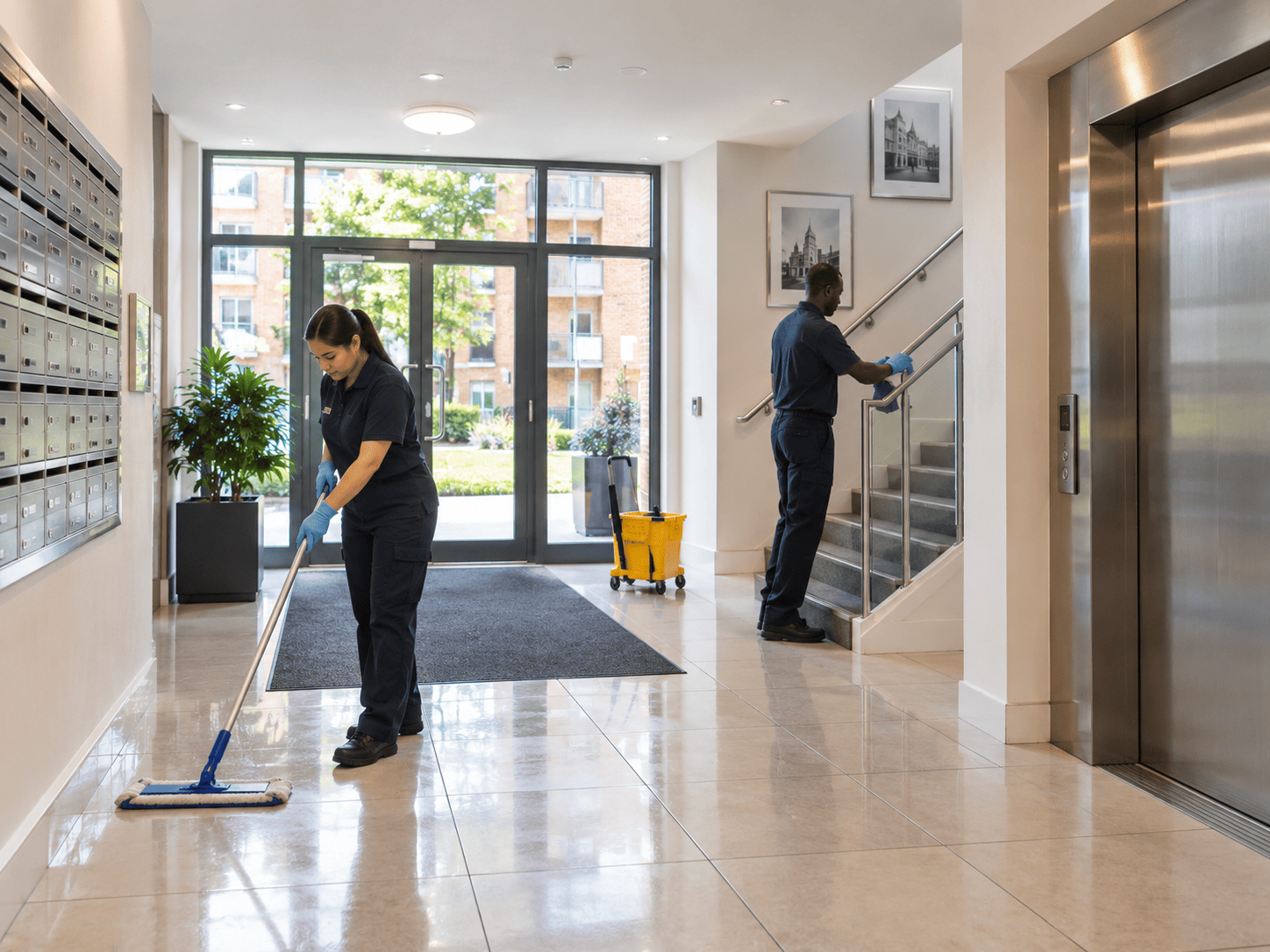
Hallways, stairs, entrances and shared spaces should also be cleaned. These areas often collect dust, marks and dirt from everyday use.
Is Professional End of Tenancy Cleaning Worth It?
Many tenants consider cleaning the property themselves to save money. This can work if the property is small, already clean and there is enough time. However, moving out is often stressful, and detailed cleaning can take much longer than expected.
Professional end of tenancy cleaners in London can be worth it because they understand what landlords and letting agents usually check. They also follow a structured checklist and bring the right cleaning materials.
Professional cleaning can help:
- save time before moving day;
- reduce stress;
- improve the condition of the property;
- target areas tenants often miss;
- support a smoother check-out process;
- reduce the risk of cleaning-related deposit issues.
It is not a guarantee that a full deposit will be returned, because deposit decisions can also involve damage, missing items or unpaid bills. However, a professional clean can reduce cleaning as a reason for dispute.
How to Choose an End of Tenancy Cleaning Company in London
Before booking a cleaning company, check what is included and whether the service matches your property needs.
Useful questions to ask include:
- Do you provide a detailed end of tenancy cleaning checklist?
- Is oven cleaning included?
- Are cleaning materials and equipment included?
- Can you clean carpets if needed?
- Do you clean inside cupboards and drawers?
- Can you work around moving dates and key collection?
- How do you quote for larger or heavily used properties?
A reliable cleaning company should give clear information and explain any extras before the service is booked.
How to Keep the Cost Under Control
There are a few simple ways to make the clean more efficient and avoid unnecessary extra charges.
Before the cleaners arrive:
- remove personal belongings;
- empty cupboards and drawers;
- defrost the freezer if needed;
- remove rubbish;
- make sure electricity and hot water are available;
- provide access to the property;
- tell the cleaning company about any problem areas.
The more prepared the property is, the easier it is for the cleaning team to focus on the actual cleaning.
Book End of Tenancy Cleaning in London
The cost of end of tenancy cleaning in London depends on the property size, condition and the services required. A small flat may need a straightforward clean, while a larger or heavily used property may need more time and extra services such as carpet or upholstery cleaning.
Busy Bee Clean provides professional end of tenancy cleaning in London for tenants, landlords and letting agents. Our team can help prepare your property before the final inspection with a detailed cleaning approach tailored to your move-out needs.
Contact Busy Bee Clean today to request a quote for end of tenancy cleaning in London and make your moving-out process easier.
Join us on Instagram, Facebook, and LinkedIn to stay updated with our latest news. Busy Bee Clean provides domestic and commercial cleaning services in London.