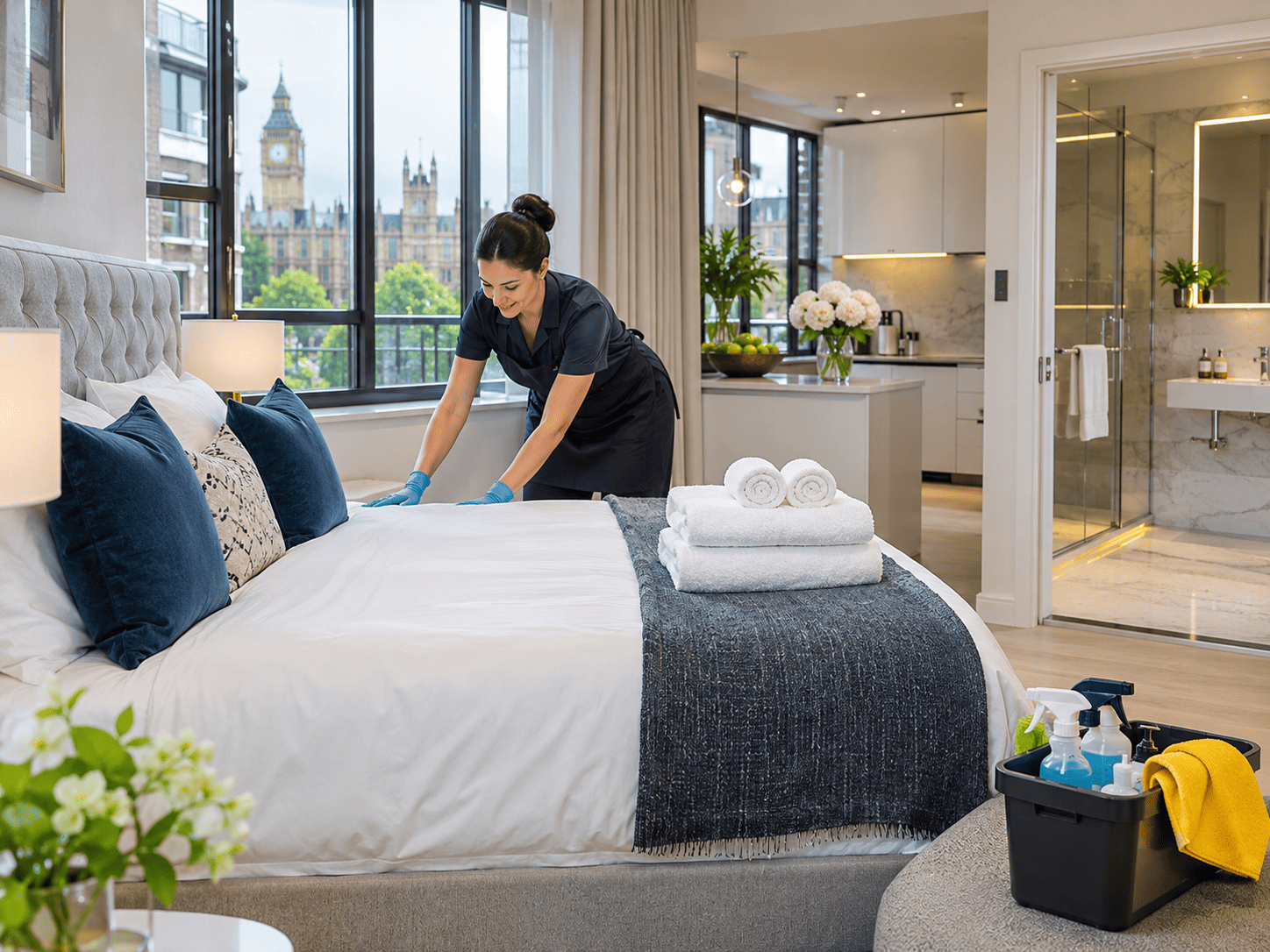
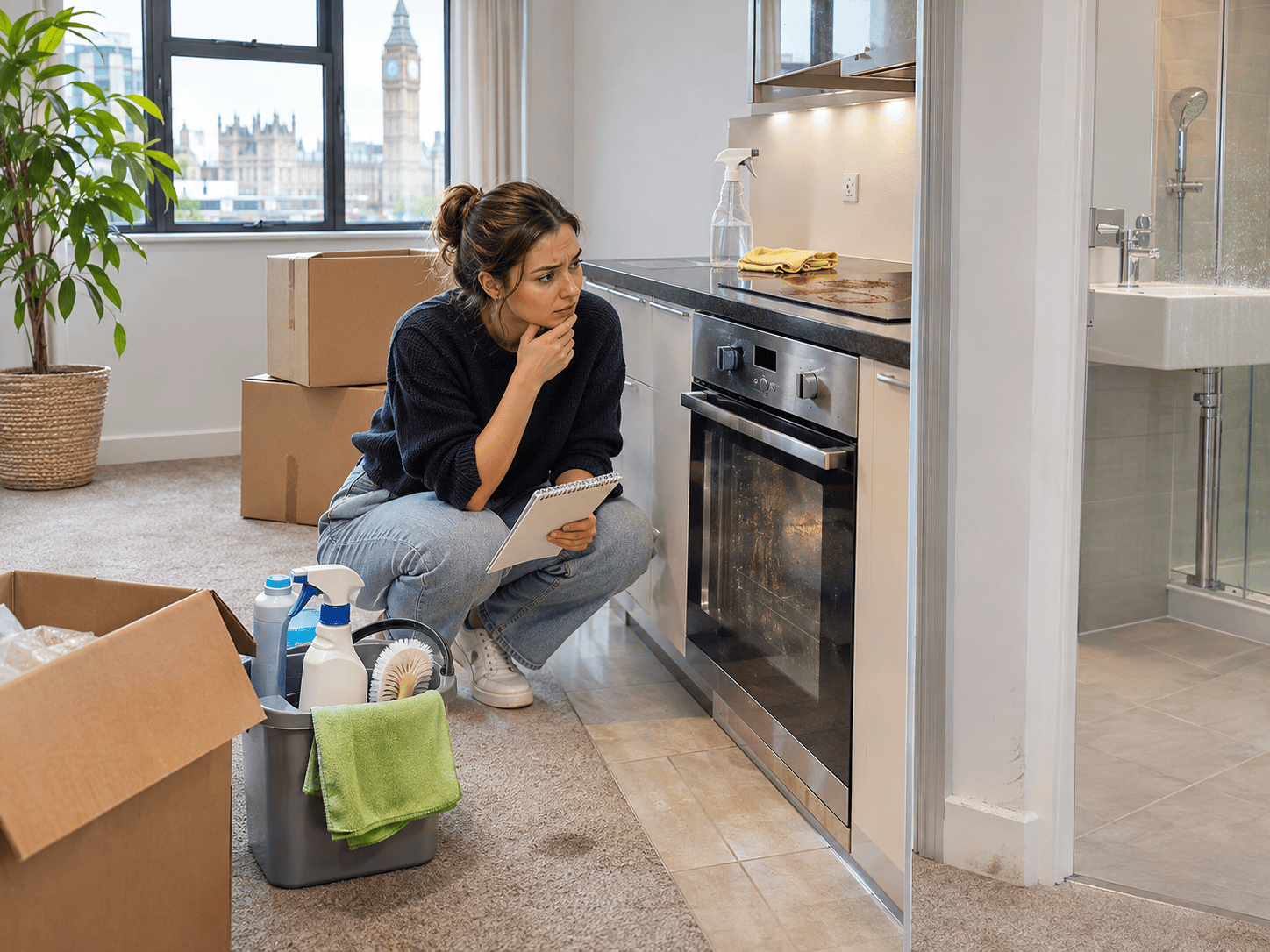
Moving out of a rented property in London comes with a long list of jobs. Between packing boxes, arranging removals and organising your next home, cleaning can easily become a last-minute task. Unfortunately, rushing through it can leave behind problems that only become obvious during the check-out inspection.
Many tenants make simple move-out cleaning mistakes without realising how much they can affect the final condition of a property. Grease inside the oven, limescale around taps, stained carpets and forgotten cupboards may all lead to disagreements with a landlord or letting agent.
The good news is that most cleaning-related problems can be avoided with proper planning. This guide covers the mistakes tenants commonly make, what inspectors may notice and how professional end of tenancy cleaning in London can help prepare your home before you hand back the keys.
Why Cleaning Matters for Your Tenancy Deposit
When a tenancy ends, the property should generally be returned to a similar standard of cleanliness as when the tenant moved in. The original inventory and check-in report are important because they document that starting condition.
Landlords cannot make deductions simply because a property is no longer brand new. Fair wear and tear is different from damage or avoidable dirt. However, if the property is left less clean than it was at check-in, reasonable cleaning costs may become a matter of dispute.
Professional cleaning is not automatically compulsory in England. Tenants can clean the property themselves, provided they achieve the appropriate standard. The important thing is the result, not simply who carried out the work.
1. Leaving the Oven and Kitchen Appliances Dirty
The kitchen is one of the easiest places to overlook when moving out. A quick wipe of the worktops might make it look presentable, but grease and food residue can remain inside appliances.
Commonly missed areas include:
- Oven interiors, trays and racks.
- Hob burners and control knobs.
- Extractor fans and accessible filters.
- Fridge shelves and door seals.
- Microwave interiors.
- Dishwasher edges and seals.
- Kitchen cupboards and drawers.
Burnt-on grease can take considerably longer to remove than everyday dirt. Leaving it until moving day may mean there is not enough time to clean the oven properly.
Plan the kitchen clean before packing the last few boxes. Empty the fridge, defrost the freezer if necessary and leave appliances accessible. A detailed end of tenancy clean can address the build-up that normal weekly cleaning often misses.
2. Ignoring Bathroom Limescale and Soap Residue
Bathrooms may look clean at first glance while still having visible limescale, water marks and soap residue. These problems are particularly common in London, where hard water can leave deposits on taps and shower screens.
Pay particular attention to:
- Taps and shower heads.
- Shower screens and doors.
- Bath edges and tiles.
- Grout and silicone seals.
- Toilets and basins.
- Mirrors and bathroom cabinets.
Using unsuitable chemicals can damage chrome fittings, natural stone or delicate finishes. Always choose products appropriate for the surface and follow the manufacturer’s instructions.
Persistent mould or damp caused by a maintenance problem should be reported rather than treated as an ordinary cleaning issue. A cleaner can remove some surface residue, but cannot resolve an underlying leak or ventilation fault.
3. Forgetting Hidden Areas and Storage Spaces
One of the most common move-out cleaning mistakes is concentrating only on visible surfaces. Empty rooms can appear spotless while dust, crumbs and personal belongings remain in hidden spaces.
Check inside wardrobes, drawers, kitchen cupboards and bathroom cabinets. Look behind accessible furniture, along skirting boards, beneath beds and around radiators.
Small details such as cobwebs, dusty door frames and fingerprints around switches can affect the overall impression of a property.
Before booking cleaners, remove your belongings from cupboards and storage spaces. This allows the cleaning team to reach the areas that need attention without spending time moving personal items.
4. Assuming Vacuuming Is Enough for Carpets
Carpets can retain stains, hair, dust and unpleasant smells even after a thorough vacuum. High-traffic areas, entrances and spots beneath furniture may need extra attention.
Check carpets for visible staining before the final inspection. If a spill has left a persistent mark, ordinary vacuuming will not remove it.
Professional carpet cleaning may be worthwhile when carpets have noticeable stains or odours. It is often arranged separately from standard end of tenancy cleaning, so check what is included in your quote.
Remember that an older carpet does not have to look new. Normal ageing and wear are different from cleaning issues, and landlords should take the original condition into account when considering deductions.
5. Missing Pet Hair, Stains and Odours
Tenants who have lived with pets may face additional cleaning challenges. Fur can settle into carpets, upholstery and corners, while odours sometimes remain unnoticed by people who live in the property every day.
Areas worth checking include pet sleeping spots, sofas, rugs, skirting boards and places where food and water bowls were kept.
Air fresheners may temporarily disguise smells, but they do not remove their source. A thorough clean should focus on the affected surfaces and fabrics.
If your rental property has been home to a dog or cat, allow additional time for pet hair removal and any specialist carpet or upholstery cleaning that may be needed.
6. Cleaning Before the Property Is Empty
Timing can make a significant difference to the result. Cleaning a flat while packing is still underway means dust, footprints and rubbish can appear again almost immediately.
Where possible, arrange the main cleaning appointment after furniture and personal belongings have been removed, but before the final check-out inspection.
This provides better access to floors, corners, cupboards and areas previously covered by furniture.
If you are moving out of a furnished property, there may be more surfaces and hidden spaces to clean. Our guide to end of tenancy cleaning for furnished flats in London explains which areas deserve additional attention.
7. Leaving Rubbish and Unwanted Items Behind
Cleaning does not replace rubbish removal. Even a beautifully cleaned flat can cause problems if unwanted belongings, bags of waste or old furniture are left behind.
Before leaving, check:
- Kitchen and bathroom bins.
- Balconies and outdoor spaces.
- Storage cupboards and utility rooms.
- Fridge and freezer compartments.
- Any garage or storage area included in the tenancy.
Arrange proper disposal of bulky items in advance. Do not assume that a cleaning company will remove unwanted furniture or large quantities of rubbish as part of its standard service.
8. Forgetting to Compare the Property with the Inventory
Cleaning without checking the original inventory can lead to unnecessary work or missed problems. The check-in report should provide useful information about the condition of the property when the tenancy began.
Read it before the final clean and compare the documented condition of kitchens, bathrooms, floors, carpets and furniture with what you see now.
If an existing stain or mark was recorded when you moved in, keep that evidence. Likewise, if an area was particularly clean at check-in, give it the attention needed before leaving.
Keeping realistic expectations about fair wear and tear helps distinguish ordinary use from issues that genuinely need cleaning or repair.
9. Not Taking Photos After Cleaning
Finishing the cleaning and handing back the keys without recording the property’s condition is an avoidable mistake.
Once the flat is empty and clean, take clear photographs of each room. Include the kitchen appliances, bathroom fittings, carpets, floors and the inside of cupboards.
Keep any cleaning invoices, receipts and relevant messages with the landlord or letting agent. These records may be useful if questions arise about the condition of the property after you leave.
Photographs are not a substitute for a detailed inventory, but they can provide supporting evidence alongside check-in and check-out reports.
10. Booking End of Tenancy Cleaning Too Late
Waiting until the evening before the inspection can create unnecessary stress. A thorough clean may take several hours, particularly in larger properties or homes with heavily used kitchens and bathrooms.
Last-minute bookings may also limit the choice of available appointments and leave little opportunity to arrange additional carpet or upholstery cleaning.
Try to book your move-out cleaning once the moving date is confirmed. Explain the number of rooms, whether the property is furnished and any areas requiring particular attention.
Choosing professional end of tenancy cleaners can be a practical option when time is limited or the property needs a more detailed clean than you can manage yourself.
Final Move-Out Cleaning Checklist
Before returning the keys, take one last walk through the property and check the following:
- Kitchen appliances are clean inside and outside.
- Cupboards, drawers and storage areas are empty.
- Bathroom fittings are free from visible residue.
- Carpets and floors have been thoroughly cleaned.
- Accessible spaces behind furniture have been checked.
- Pet hair, stains and odours have been addressed.
- Bins and unwanted belongings have been removed.
- Windows, mirrors and high-touch surfaces are clean.
- Photographs have been taken after cleaning.
- The property’s condition has been compared with the original inventory.
For a room-by-room guide, see our end of tenancy cleaning checklist for tenants in London.
Can Professional Cleaning Help Avoid Deposit Disputes?
Professional cleaning cannot guarantee the return of a tenancy deposit. Deposit decisions may involve damage, unpaid rent, missing items or other matters unrelated to cleanliness.
However, a properly planned clean can help reduce the risk of disagreements about dirt, grease, limescale and neglected areas.
The best approach is to understand the original condition of the property, allow enough time for cleaning and keep evidence of how the home was left.
If a deduction seems unreasonable, tenants can ask for an explanation and, where applicable, use their tenancy deposit protection scheme’s dispute resolution service.
Book End of Tenancy Cleaning in London with Busy Bee Clean
Moving home is demanding enough without spending your final day scrubbing the oven or tackling bathroom limescale.
Busy Bee Clean provides professional end of tenancy cleaning in London for tenants, landlords and letting agents. Our cleaning checklist covers kitchens, bathrooms, living spaces, bedrooms and other key areas, helping prepare rental properties for their final inspection and next occupants.
Whether you are leaving a studio flat or a larger rented home, we can help you plan a suitable cleaning service. Additional requirements, including specialist carpet cleaning, can be discussed before booking.
Contact Busy Bee Clean today to arrange your move-out cleaning in London and make the final stage of your tenancy easier.
Join us on Instagram, Facebook, and LinkedIn to stay updated with our latest news. Busy Bee Clean provides domestic and commercial cleaning services in London.